

Electric Outdoor Heaters For Patios
Electric patio heaters produce infrared heat when they turn on an emitter. This allows them to warm objects and people rather than the air surrounding them. This makes them an efficient and safe choice for patios.
The majority of these devices can be hung on the ceiling or wall and then connected to any standard 120-volt outlet. They also come with remote controls to alter the settings.
Energy-efficient
Because they do not burn any fuel, electric patio heaters are much more efficient in energy usage than their gas counterparts. A typical gas patio heater will consume the equivalent of 108MJ of energy and emit 3kg of carbon dioxide in only a few hours. Electric patio heaters however, would only use 1 kilowatt of electricity, while emitting less than a kilogram of carbon. Electric patio heaters are a better option for eco-conscious homeowners since they comply with sustainable practices and help reduce greenhouse gas emissions.
They also require less maintenance than gas models, which can be prone to leaks and other problems. However, they should be kept clean and free of debris to ensure optimal performance. To remove dust and cobwebs, clean them often with a soft cloth. Some models can also be used outdoors and some are constructed of 316 marine grade stainless steel. This helps to reduce corrosion.
There are a variety of aspects that could influence your decision to install gas or electric patio heater. These include the size of your outdoor space, the power limitations and your aesthetic preferences. Both models have their advantages and disadvantages, based on your budget and requirements.
The type of outdoor heater you select will determine the temperature and warmth of your outdoor space. Patio heaters are usually rated by their heat output, measured in British Thermal Units (BTU) per hour. The more powerful the BTU rating of the heater, the more heat it can generate.
Electric models can provide warmth on windy days, as they use infrared energy instead of air to warm objects and people. A majority of models are simple to use and versatile with wall or freestanding mounted installation. Certain models come with advanced safety features that protect you from fires and accidental contact. For example the thermocouple that is built-in shuts off power when the flame is extinguished.
In terms of maintenance, both gas and electric models require some attention to ensure they are operating effectively. For instance gas heaters should be regularly checked and cleaned to ensure proper ventilation. Some models may require to be refilled regularly and others just require periodic cleaning.
Easy to install
Electric patio heaters are a great option to extend your outdoor season, whether you have a gazebo or deck. These heaters are simple to install and use and will let you relax in your backyard or the spot you love in the garden for later into the evening. You can choose from a range of stylish designs that suit your individual tastes and preferences.
The type of patio heating you require will depend on the size of your area and the power sources that are available. You can choose from a variety of gas- or electric-powered models. Portable freestanding heaters are perfect for small spaces. There are also hanging and in-ground models which provide greater heat for larger areas. Some heaters have an aluminum or glass fascia that helps to diffuse the heat, whereas others are designed to release radiant heat directly into the air.
If you have a patio that is covered, you can minimize the loss of heat to the wind by using a convection model, which circulates warm air over your patio area. This is a good solution for large areas, although you may need to open the windows and doors frequently to allow air circulation. Alternatively, you can select a radiant design which makes use of infrared light rays to warm objects and people instead of the air.
In terms of output of heat, electric patio heaters are more efficient than natural gas and propane models. Electric patio heaters typically produce between 30 and 50,000 British Thermal Units per hour. This is significantly higher than gas models similar in dimensions. Some models have remote controls, as well as adjustable settings to ensure maximum comfort.
Electric models aren't affected by carbon monoxide. They can be used in smaller spaces. It is important to read the user manual and follow any safety precautions.
There are many different types of patio heaters, such as wall-mounted or ceiling-mounted models. More methods freestanding models range from huge propane heaters that look like floor lamps to smaller table top models that can be used nearly anywhere on your patio. Infrared electric heaters can be mounted on the ceiling or wall. They are perfect for small spaces with small floor space. A lot of these models come with a digital LED fire display and can be dimmed to control the amount of warmth.
Multi-faceted
Patio heaters provide an inviting, warm atmosphere that makes outdoor living more comfortable and extends your patio season. They are available in various styles and designs that means you can pick one that matches your outdoor decor. Some models also offer optional add-ons, such as remote controls and timers that give you more control over the operation of the heater. Certain electric heaters produce more heat than other models, so be sure you compare their heating capacities and coverage area before making a choice.
If you opt for gas or electric patio heaters, make sure you read the guidelines of the manufacturer's for installation, use and maintenance. This will ensure that your patio heaters perform as intended and extend their life span. are safe to use for years to be. It is also a good idea to keep an extra propane tank or gas line in your garage in the event of an emergency.
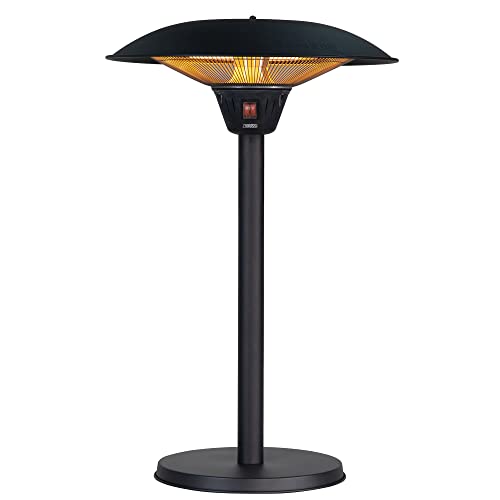
Think about the ease of moving your new patio heater. Ceiling-mounted or wall-mounted electric heaters may require professional installation and generally are fixed however freestanding models can be moved around the space when needed. For security, look out for features such as tip-over and overheat protection, which help keep fires from happening and prevent injuries.
When choosing an electric heater, it is crucial to consider the power output. This is usually measured in British Thermal Units. Higher BTU ratings usually indicate more heating capability and a greater area of coverage. Make sure to take into consideration the size of your room and the number of guests you will be entertaining. Also, you should examine the noise level of an electric heater, as some models produce the sound of a buzzing or humming when they are operating.
Patio heaters that are flexible and efficient make use of infrared heat to warm objects and surfaces without reducing the oxygen level in the air. These heaters are safer than traditional gas heaters, since they do not contain an open flame or produce carbon monoxide. Some electric heaters also have energy-saving features that reduce the use of energy and allow you to save money on utility bills.
Use it safely
Outdoor heaters can help you extend the duration of your patio season and allow you to stay warm while enjoying the outdoors. However, they can also be dangerous if they are not used properly. Erie Insurance provides a few tips to keep you and your guests safe while using outdoor heaters.
Electric outdoor heaters do not emit harmful radiation or fumes. They should only be used in areas that are well ventilated, in accordance with the manufacturer's guidelines. Make sure to check the connection and hose for leaks regularly. If you smell gas or see bubbles in the heater, shut it off and clean the hose with soapy water.
Many outdoor heaters that are electric feature tip-over auto shut off that detects when the heater is tilted and turns it off. This feature is particularly useful in areas that are prone to wind because it stops the heater from falling over and potentially causing an accident that could ignite. It's also a good idea to use patio heaters with a remote control so that you can alter the temperature as needed.
An extension cord shouldn't be used to plug in your outdoor heater. This is true regardless of what kind of heater you have. Unless you're using an RCD-protected plug, this could lead to electrical fires. Make sure the heater is at three metres from your home and all combustible material. Keep all electrical cords out of the way and away from pets and children.
The best place to put heaters outside is on a deck or covered porch, or another outdoor space. This reduces the risk of carbon dioxide poisoning and it won't affect your guests. Also, make sure that your patio heater is at least five metres away from any flammable material such as plants and other sources of combustible material.
Additionally, it is recommended to always keep an extinguisher in your house to deal with any fires that might arise. Additionally, you should be careful not to expose the patio heater to moisture or dirt, which can cause corrosion and damage to its components.